
Where to Find Food Parcels and Food Assistance in South Africa
Across South Africa, a mix of charities, food banks and community groups work every day to reach people facing food insecurity.
There is no single national handout, and being eligible somewhere does not mean automatic approval, since each group sets its own rules.
This guide shows who offers help, how food parcel support usually works, and how to check availability safely before you go.
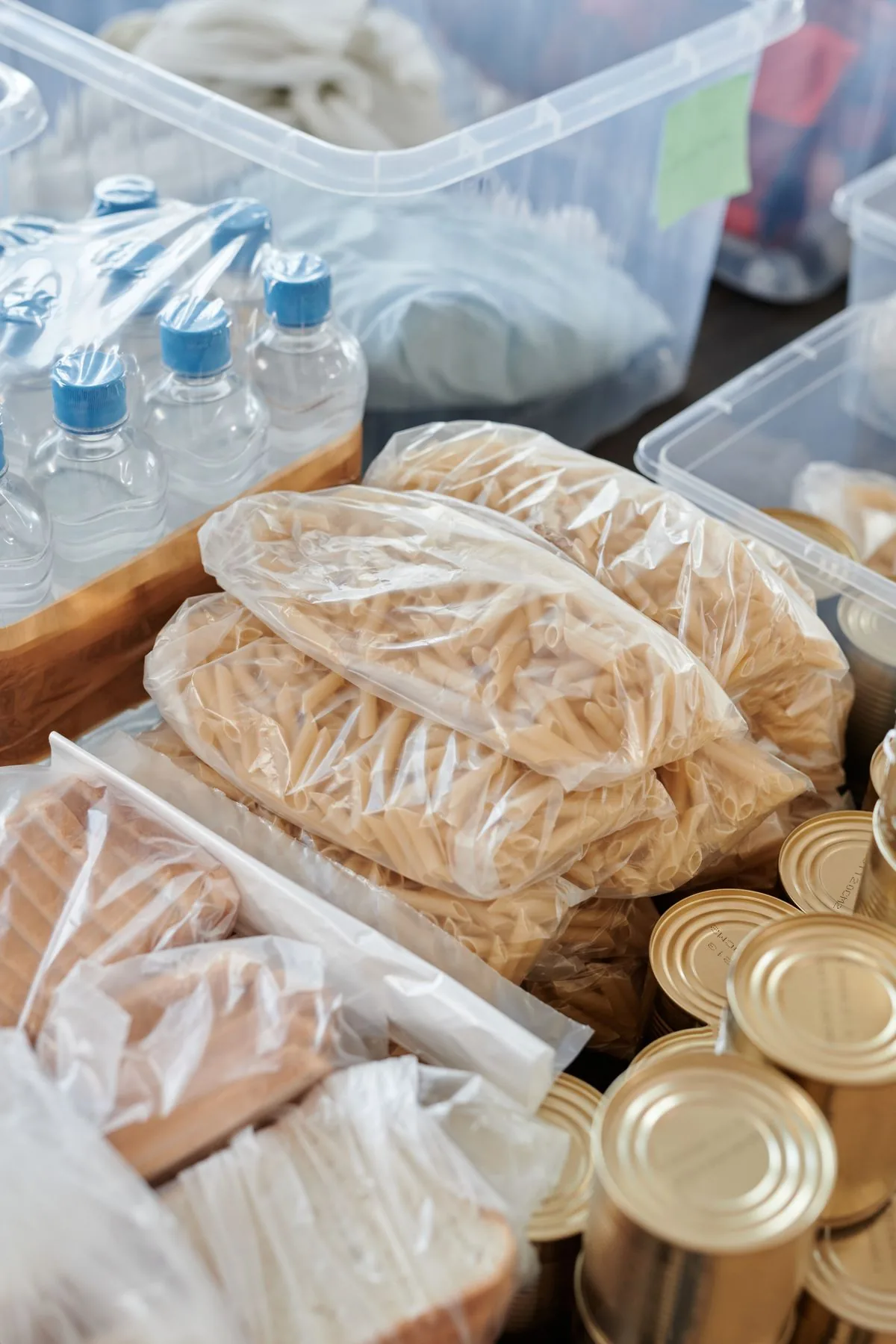
How food parcel assistance works
A food parcel is usually a box or bag of basic groceries put together by a charity, food bank or community group.
Some organisations hand parcels out directly. Others gather and redistribute food to smaller partner groups that reach families on the ground.
Because donations and local needs differ, who qualifies and what is available change from place to place. That is normal, not a catch.
Organisations that help with food in South Africa
These are recognised, currently active organisations. Availability and the way you access help differ for each, so check their official site.
Reach: All nine provinces
Who it helps: Works through vetted partner organisations, not directly with individuals, so ask about a beneficiary group near you.
Reach: Nationwide, crisis-focused
Who it helps: Runs feeding schemes and hands out food parcels, often directly during emergencies and hardship.
Reach: Multiple provinces
Who it helps: Delivers rescued food to organisations that feed people in need, rather than to individuals directly.
Reach: Communities, schools, homes
Who it helps: Focuses on feeding and nutrition programmes in vulnerable communities.
Reach: Mainly the Western Cape
Who it helps: Serves cooked meals and supports early-childhood centres and feeding schemes.
Reach: Several cities
Who it helps: Prepares and shares freshly cooked meals in communities facing hunger.
Food banks and community organisations
Food banks collect surplus and donated food and move it to where it is needed. Importantly, some do not serve the public directly and work only through partner organisations.
When looking locally, it helps to search for:
- Community organisations
- Local charities
- Food banks
- Community kitchens
- Faith-based organisations
- Local food relief initiatives
What can be included in a food parcel?
Contents vary depending on the organisation and available donations, but a parcel often includes staples such as:
- Maize meal
- Rice
- Beans
- Cooking oil
- Canned food
- Flour
- Other basic groceries
Who may qualify?
Each organisation sets its own criteria. Depending on the group, factors that may be considered include:
- Household circumstances
- Income
- Unemployment
- Emergency situations
- Number of dependants
- Location
- Current availability of assistance
What you may need
Some organisations might ask for documents; others may not. Depending on the organisation, you might be asked for:
- Identification
- Contact information
- Proof of address
- Household information
- Income or unemployment information
There is no universal list, so confirm with the specific organisation before you go.
How to find food assistance near you
Look for organisations, food banks or community groups active in your province or city.
Some assist people directly; others only supply partner organisations.
Go to the organisation’s own site for accurate, current details.
Read who can be helped and what may be needed before you go.
Call or message to confirm availability before travelling.
Real assistance is free. Anyone asking for payment is a red flag.
Avoid food parcel scams
Sadly, hunger is a target for scammers. Be careful with:
- Fake application forms
- WhatsApp messages promising parcels
- Any request for payment
- “Guaranteed” food parcel promises
- Fake social media adverts
- Websites pretending to be a charity or government agency
When in doubt, confirm everything through the organisation’s official channels before sharing details or travelling.
Other ways to get food support
If a parcel is not available, other options may still help:
- Community kitchens
- Religious organisations
- Local charities
- Food banks
- Community centres
- Emergency relief organisations
Frequently asked questions
Are food parcels free in South Africa?
Yes. Legitimate food assistance is free. If someone asks you to pay to receive a parcel, treat it as a scam.
Who provides food parcels?
Mostly charities, food banks, NGOs, community kitchens and faith-based groups. Some government programmes exist too, but they are not the only route.
Can I apply directly to a food bank?
Sometimes. Certain food banks supply only partner organisations, while others help individuals. Always check the organisation’s own website first.
What comes inside a food parcel?
It varies by organisation and donations, but staples like maize meal, rice, beans, cooking oil and canned food are common.
How can I find food assistance near me?
Identify groups active in your area, confirm they help individuals, check their requirements on the official site, and contact them before travelling.
Important: This website is an independent informational resource and does not provide food parcels, financial assistance or government benefits. Availability, eligibility and application procedures vary by organisation and location. Always confirm current information directly with the organisation providing assistance.
Last updated: August 2026.